Cleveland is a city where most households rent. We covered that in our Cleveland renters’ market post. Voucher holders are part of that renter base. This guide explains the program from the owner’s side, using CMHA’s own landlord pages and the federal rules in 24 CFR Part 982.
How does Section 8 work for a Cleveland landlord?
A voucher tenancy has three parties. You and the tenant sign a lease, as you would with anyone. You and CMHA sign a HAP contract, which runs for the same term as the lease. Each month, CMHA pays its share of the rent to you, and the tenant pays you the rest. CMHA’s FAQ says payment dates are generally the 3rd and 16th of the month.
CMHA lists the benefits it sees for owners. These include reliable rent paid by direct deposit, access to that pool of voucher holders, use of your own lease, and annual inspections that can catch maintenance issues early. The trade-off is that CMHA has a say in the rent, the condition of the unit and any rent increase.
| Item | Market-rate → Voucher |
|---|---|
| Who sets the rent | You and the market → You, but CMHA must find it reasonable |
| Who pays | The tenant → CMHA pays its share, the tenant pays the rest |
| Lease | Your lease → Your standard lease plus HUD’s tenancy addendum |
| Inspection | Not part of the lease → Before move-in and about once a year |
| Rent increase | Per your lease and Ohio law → Through CMHA, after 12 months |
| Screening | Your criteria → Your same criteria |
Sources: CMHA landlord pages (Leasing with CMHA, Rent, Inspections, Landlord FAQ) and 24 CFR 982.308, read November 23, 2026.
Find your next Cleveland rental
Create a free account to browse off-market Greater Cleveland houses and doubles, and save a buy box with the price, bedrooms and property types you want.
How do you start renting to voucher holders through CMHA?
Complete Landlord Orientation
Since January 1, 2026, CMHA requires orientation before it signs a HAP contract, unless you finished CMHA training in the past 24 months. Whoever manages the tenancy attends: you, your property manager or an agent. Sessions are virtual.
List the unit
CMHA points owners to free listings on AffordableHousing.com and OhioHousingLocator.org. If you advertise anywhere else, CMHA asks you to add “vouchers welcome”.
Screen applicants
You screen voucher holders with the same tenant selection criteria you use for everyone. CMHA does not screen for you.
Submit the Request for Tenancy Approval
The voucher holder gives you an RFTA packet. You complete your part and send it to CMHA by email or through the kiosks at its main campus.
Accept the rent offer and pass inspection
CMHA reviews the rent and makes an offer. If you accept, it schedules the inspection.
Sign the HAP contract and lease
After the unit passes, CMHA sets a move-in date and sends the HAP contract. You give CMHA a copy of the signed lease. Payments begin once the contract is signed and the tenant has moved in.
How does CMHA decide the rent?
CMHA runs two separate checks. The first is rent reasonableness. Federal rules say the housing authority cannot approve a lease until it finds the rent reasonable compared with similar unassisted units, looking at location, quality, size, unit type, age, amenities and the utilities you provide. CMHA compares gross rent, meaning rent plus any utilities the tenant pays.
The second is affordability. For a new tenancy, the family’s share may not be more than 40% of its monthly adjusted income when the gross rent is above the payment standard. If the rent fails that test, CMHA says it may work with you to negotiate a lower rent.
A payment standard is the most CMHA will contribute, not a cap on your rent. CMHA sets it from HUD’s Fair Market Rents, generally between 90% and 110%. Since January 1, 2025, CMHA uses Small Area Fair Market Rents, which are set by ZIP code. Two similar houses a few miles apart can get different payment standards, so check the figure for the exact ZIP code before you set a rent. CMHA’s rent page also has a Rent Affordability Calculator for new contracts.
What does a CMHA inspection check?
CMHA uses a third-party inspection provider. It checks health and safety items: utilities, sanitation, security, building condition, lead-based paint, and smoke and carbon monoxide detectors. CMHA’s page lists items that often trip up older houses:
- Windows: operable windows need screens and storm windows, unless the building has a full HVAC system.
- Doors: exterior entrance doors need storm doors unless exempt, working locks and interior turn-style deadbolts.
- Dryer and drainage: the clothes dryer must vent outside, and the house must have downspouts.
- Smoke detectors (since December 29, 2024): one on each level, one inside each bedroom, one within 21 feet of each bedroom door, and one in any living area closed off from the bedrooms by a door. Battery units must be 10-year sealed, or the detectors can be hardwired.
- Carbon monoxide detectors: required on each floor when the unit has a gas appliance, an attached garage or a wood-burning fireplace. A missing one is an emergency fail.
| Inspection | What happens |
|---|---|
| Initial | Triggered by the RFTA packet. The unit must pass before assistance starts. |
| Annual | Scheduled within twelve months of the last one. |
| Emergency | Fix within 24 hours. Payments stop if it is not fixed by the second reinspection. |
| Special | After a complaint, for quality control, or whenever CMHA decides one is needed. |
Source: CMHA Inspections page, read November 23, 2026. If violations are not fixed in time, CMHA can stop payments (abatement) with no back pay, and may end the HAP contract after 30 days.
What changes with NSPIRE in 2027?
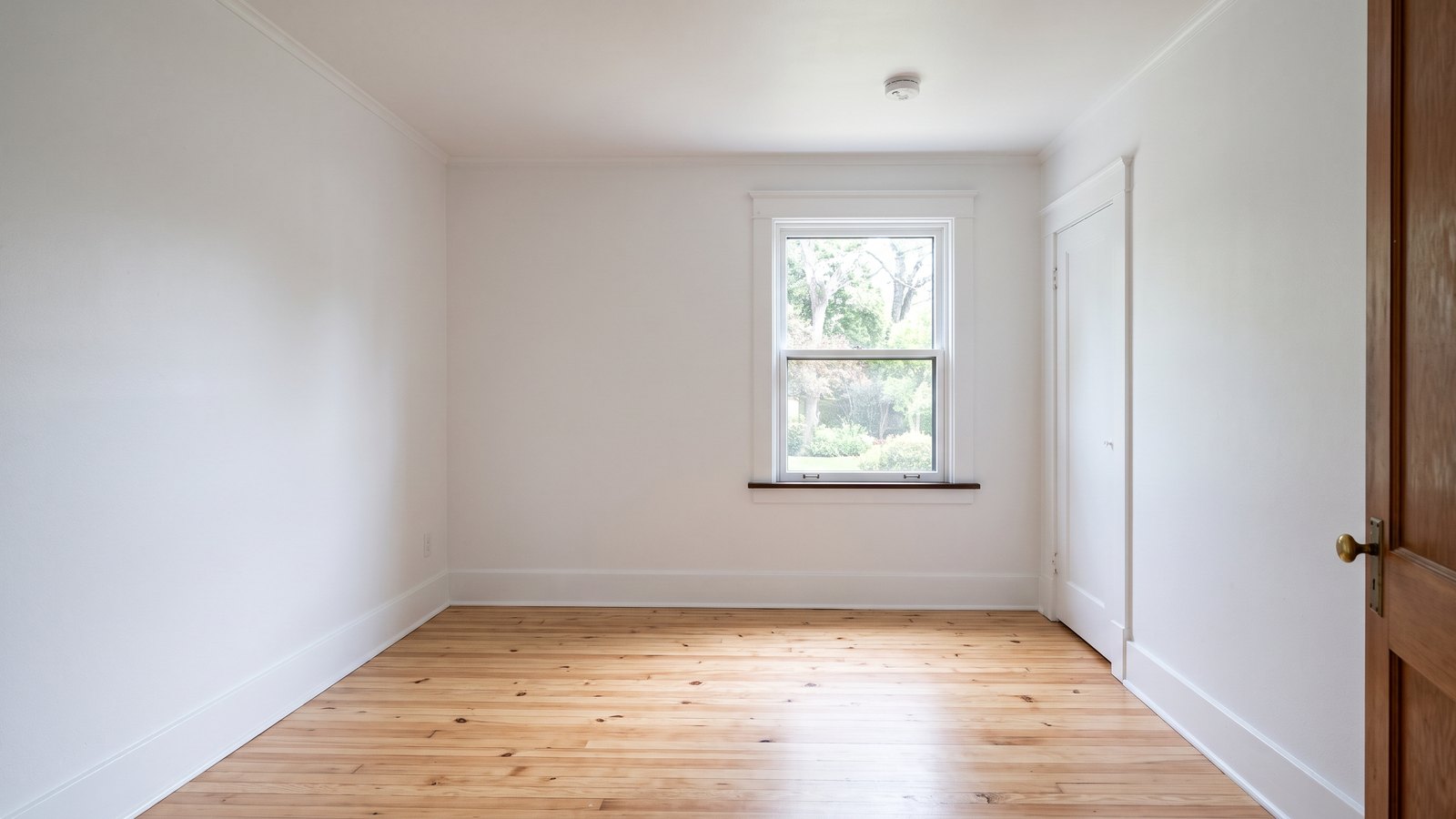
Beginning January 1, 2027, CMHA will inspect every voucher unit under HUD’s NSPIRE-V standards instead of the older Housing Quality Standards (HQS). CMHA describes NSPIRE as focused on resident health and safety, and it posts an NSPIRE checklist, a quick guide and a list of emergency deficiencies. If you are buying now and plan to lease in 2027, prepare the unit to the new checklist.
What about lead paint in older houses?
Lead rules apply to homes built before 1978, which covers most of Cleveland’s housing. CMHA requires a lead clearance when an inspector finds paint defects above the minimum (de minimis) level in a pre-1978 home where a child under 6 lives or is expected to live. A certified renovator must do the repairs. Then a licensed professional must do a clearance test. That person cannot work for the renovator’s firm and cannot be the owner or property manager. CMHA gives 30 days after an annual inspection, or 14 days after a move-in inspection.
This is separate from the City of Cleveland’s own rule, which requires rental properties built before 1978 to get a Lead Safe Certificate. Our Ohio landlord-tenant law guide covers the state rules that apply to every tenancy, voucher or not.
Keep every unit and lease organized
Create a free account to use the free property-management tools: tenants, leases, deposits, rent roll and work orders, all in one place for every door you own.
How do rent increases work with CMHA?
You request an increase from CMHA, not just from the tenant. CMHA’s FAQ lists the conditions. The request must be signed by you and the tenant. The HAP contract must be at least a year old. The unit must have passed an annual inspection within 12 months of the effective date. It must be at least 12 months since the last approved increase. And the new rent must be reasonable. If approved, the increase takes effect on the first of the month after 60 days.
Do not make side deals. CMHA warns that a tenant paying extra outside the approved rent is illegal and can cost the family its voucher and the landlord its ability to take part in the program.
Can you buy a Cleveland house with a voucher tenant already in it?
Yes, and CMHA has a process for it. CMHA says the tenant and CMHA must both be told about the sale in writing, and the seller should tell you the unit has a voucher tenant and give you a copy of the HAP contract. As the new owner, you submit CMHA’s Change of Ownership packet in full. Payments to you start once CMHA approves it, and CMHA asks you to allow at least 30 days after it has every document. You also need to tell the family where to pay its share.
Can you end a voucher tenancy?
During the lease, federal rules let you end the tenancy only for a serious or repeated lease violation (including not paying rent), a violation of law tied to the property, or other good cause. CMHA failing to pay its share is not grounds to evict the tenant. CMHA asks for a copy of any eviction notice, and it does not pay for tenant damage, which you recover from the tenant or the security deposit. CMHA tells landlords to get legal advice before an eviction.
A Greater Cleveland note
If you own from out of state, line up the local side first. Choose who attends orientation, who meets the inspector, and who handles repairs within 24 hours. That is usually a property manager. Our guide to vetting a Cleveland property manager covers the questions to ask.
The bottom line
The voucher program gives a Cleveland landlord another large group of renters and a share of the rent paid by direct deposit. In exchange, you accept CMHA’s rent review, yearly inspections and a set process for increases. Prepare the unit to the checklist and keep a local team on call, and the process is manageable from anywhere.
Run any voucher rental through the same numbers as any other: a reasonable rent, every cost and a vacancy allowance. Then have your funding and your team ready, because good rental houses in this market move quickly.
Build a rental portfolio in Cleveland
Create a free account to see off-market deals, run each one through the free rental calculator, and track every property you buy in the free portfolio tracker.
Frequently asked questions
How do I become a Section 8 landlord in Cuyahoga County?
CMHA has no landlord application. You list your unit, screen applicants with your usual criteria, and submit the voucher holder’s Request for Tenancy Approval packet. Since January 1, 2026, you or your agent must also complete CMHA Landlord Orientation (unless trained in the past 24 months) before CMHA signs a HAP contract.
Is the CMHA payment standard the most rent I can charge?
No. CMHA says a payment standard is the most it may contribute toward a family’s rent, not the maximum rent a landlord may charge. Your rent must still pass CMHA’s rent reasonableness and affordability reviews. CMHA sets payment standards from HUD Fair Market Rents, generally at 90% to 110%, and uses Small Area (ZIP code) Fair Market Rents since January 1, 2025.
What happens if my unit fails a CMHA inspection?
Emergency items must be fixed within 24 hours. If violations are not fixed in time, CMHA stops its payments (abatement), the tenant still pays only their share, and CMHA does not make back payments. If the unit stays in abatement for more than 30 days, the HAP contract may be terminated.
When does NSPIRE replace HQS for CMHA inspections?
CMHA says that beginning January 1, 2027, NSPIRE-V will be used for all of its Housing Choice Voucher inspections, replacing Housing Quality Standards.
How do I get a rent increase from CMHA?
Submit a rent adjustment request signed by you and the tenant. The HAP contract must be at least one year old, the unit must have passed an annual inspection within 12 months, at least 12 months must have passed since the last increase, and the new rent must be reasonable. If approved, it takes effect on the first of the month after 60 days.
What if I buy a house that already has a Section 8 tenant?
Submit CMHA’s Change of Ownership packet in full. CMHA starts paying the new owner once it has reviewed and approved the packet and asks owners to allow at least 30 days after it receives all documents. Tell the family where to pay its share of the rent.
Can the tenant pay extra to cover a higher rent?
No. Federal rules bar the owner from demanding or accepting more from the tenant than the approved rent minus the housing assistance payment, and CMHA says side deals are illegal and can lead to the family losing assistance and the landlord being barred from the program.
Sources
This guide is general education, not legal, tax, lending or investment advice. Rules change and every deal is different: confirm with the official source, your attorney, CPA or lender before you rely on it. REI House Deals does not promise any return, profit or outcome on any property.