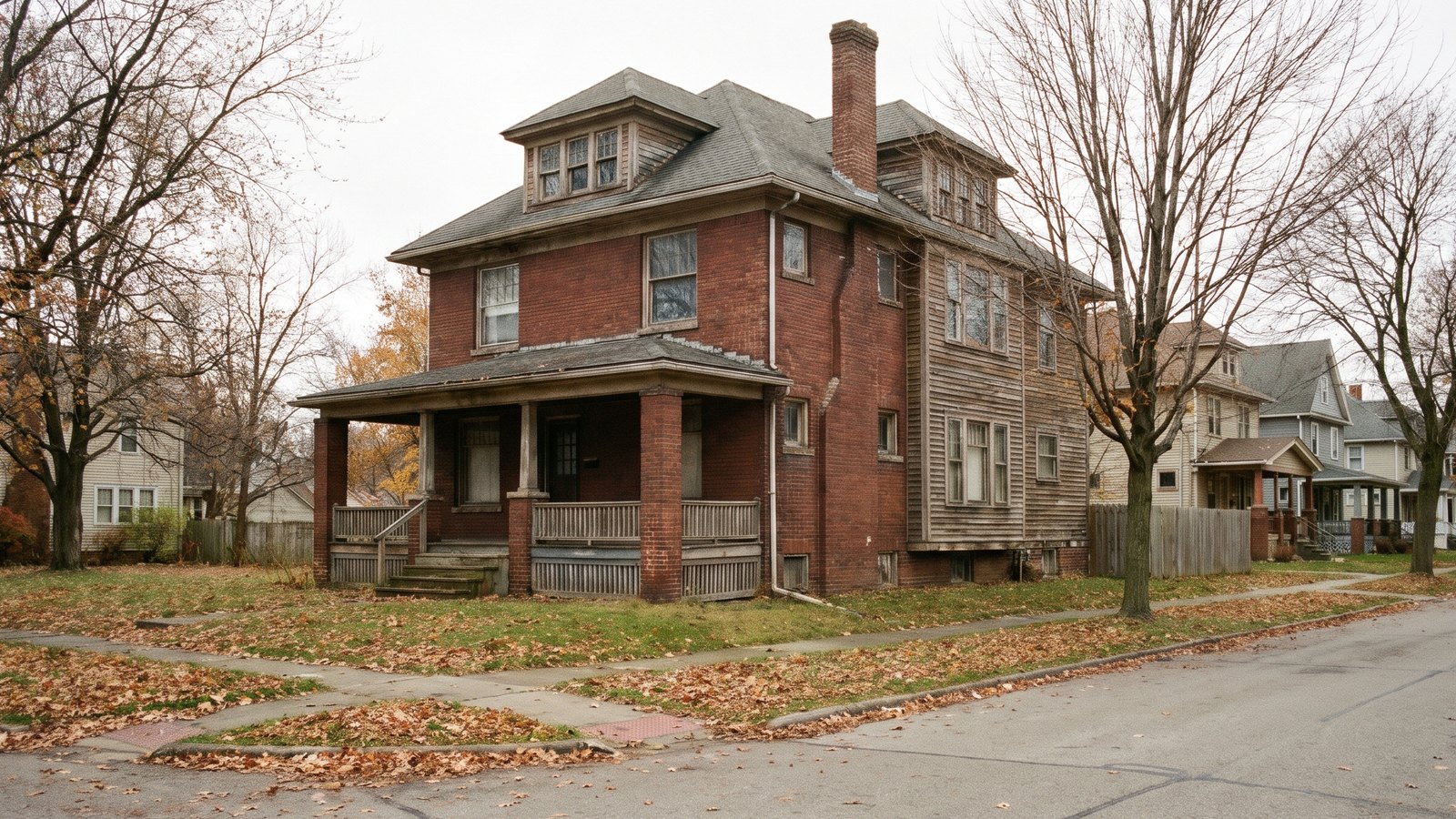

Investors from California, New York and other high-cost states often ask the same first question about Cleveland: what are the rules? It is a fair question. In some markets, landlord rules change city by city and year by year.
Ohio works differently. Most of what you need is in one chapter of state law, and it is short enough to read in an evening. This guide walks through the parts an owner uses most, with a link to each section. It is general information, not legal advice.
Does Ohio have rent control?
No. ORC 5321.19 says no political subdivision may enact or enforce any measure that regulates the rights and obligations covered by the landlord-tenant chapter, “including, without limitation, by any way imposing or requiring rent control or rent stabilization.”
Two limits on that are worth knowing. Cities can still enforce their own housing, building, health and safety codes, and they can still use voluntary incentive programs such as tax abatements tied to housing. So Cleveland’s rental registration and lead-safe rules still apply. What a city cannot do is cap the rent you charge on a property you own.
Find a Cleveland rental that fits your plan
Create a free account to see off-market Greater Cleveland houses with asking prices and condition notes, and save a buy box for the rentals you want to own.
What does an Ohio landlord have to do?
ORC 5321.04 lists the landlord’s duties. In plain terms, you must:
- Follow the building, housing, health and safety codes that materially affect health and safety.
- Make the repairs needed to keep the home fit and habitable, and keep any common areas safe and sanitary.
- Keep the electrical, plumbing, sanitary, heating, ventilating and air-conditioning fixtures and appliances you supply in good, safe working order.
- Supply running water, reasonable hot water and reasonable heat at all times, unless the tenant controls those systems through their own utility connection.
- Provide trash receptacles and arrange removal when you have rental agreements covering four or more units in the same building.
- Give reasonable notice before entering and enter only at reasonable times, except in an emergency.
Tenants have duties too. Under ORC 5321.05, they must keep their unit safe and sanitary, dispose of trash properly, use the fixtures properly, not damage the property, and not disturb the neighbors. A tenant also may not unreasonably refuse to let you in for inspections, repairs or showings.

How do security deposits work in Ohio?
ORC 5321.16 sets three rules that matter most:
| Rule | What ORC 5321.16 says |
|---|---|
| Interest | The part of a deposit above $50 or one month’s rent, whichever is greater, earns 5% a year, paid annually, if the tenant stays six months or more. |
| Deductions | You may apply the deposit to past-due rent and to damages caused by the tenant breaking the lease or their legal duties. |
| Return | Within 30 days after the lease ends and you get possession back, send an itemized written list of deductions with any balance due. |
| Forwarding address | The tenant must give you a forwarding address in writing. |
| If you miss it | The tenant can recover the amount wrongfully withheld, plus an equal amount in damages and reasonable attorney’s fees. |
ORC 5321.16 itself does not cap the size of a deposit. The interest rule simply makes a deposit above one month’s rent more work to hold.
How much notice does a landlord need to give in Ohio?
- To enter: reasonable notice, with 24 hours presumed reasonable, and only at reasonable times, except in an emergency (ORC 5321.04).
- To end a month-to-month tenancy: written notice at least 30 days before the rent due date, from either side (ORC 5321.17).
- To end a week-to-week tenancy: at least seven days’ notice before the termination date.
- Before filing an eviction: a written notice to leave, three or more days before you file (ORC 1923.04).
A fixed-term lease, such as a 12-month lease, runs on its own terms. The notice periods above apply to periodic tenancies and to the eviction process itself.
How does an eviction work in Ohio?
Eviction in Ohio is a court process from start to finish. A landlord may not lock a tenant out, shut off utilities, threaten an unlawful act or take the tenant’s belongings to force them out (ORC 5321.15). A landlord who does is liable for damages and attorney’s fees. The lawful path looks like this:
Give the 3-day notice
Serve a written notice to leave at least three days before filing: by certified mail, by hand, or left at the home. It must include, in conspicuous print, the exact warning language the statute requires.
File in the right court
For a property inside the City of Cleveland, that is Cleveland Housing Court, which handles evictions, repair motions and rent deposits. For a suburban property, ask your attorney which court hears the case.
Attend the hearing
You or your attorney attend, with the lease, the rent ledger and a copy of the notice.
Let the court enforce the order
The court’s order, not the landlord, decides when a tenant must leave. Cleveland Housing Court’s own guidance is to follow proper procedure and obtain a court order before carrying out an eviction.
Run your rentals from one dashboard
Your free account includes property-management tools: tenants, leases, deposits, a rent roll and work orders. Track every door in one place, wherever you live.
What else must an out-of-state owner file or disclose?
- Owner name and address on the lease. Under ORC 5321.18, every written rental agreement must list the owner’s name and address and the agent’s, if any. An LLC uses its principal place of business in the county, or in Ohio if none, and names the person in charge.
- Your information with the county. ORC 5323.02 requires owners of residential rental property to file their name, address and phone number, plus the property’s address and parcel number, with the county auditor. In Cuyahoga County that is the Fiscal Officer. Update it within 60 days of any change. A property manager you designate can file it for you.
- City rental registration. Inside Cleveland, non-owner-occupied homes must be registered every year at $70 per unit, before tenants move in. Rentals built before 1978 also need a Lead Safe Certification or an exemption.
Ohio also protects tenants from retaliation. Under ORC 5321.02, a landlord may not raise the rent, cut services or file an eviction because a tenant complained about code violations or repairs. The same section says you can still raise rent to reflect improvements you install or higher operating costs.
A Greater Cleveland note
Put together with Cleveland’s entry prices, which we covered in Cleveland home prices vs. Los Angeles, New York, Phoenix and Miami, these rules are a big part of why investors from other states are comfortable owning here. And before you buy, our due diligence guide shows how to check a house’s records and violations.
The bottom line
Ohio’s landlord-tenant law is one statewide chapter, it bars local rent control, and its deadlines are short and clear: 24 hours to enter, 30 days to return a deposit, three days’ notice before an eviction filing. Follow it, keep good records, and let a local property manager and contractor handle the day-to-day. That is how many investors run Cleveland rentals from anywhere in the country. Create a free account to find your next rental and manage it with free property-management tools.
Ready to own your first Cleveland door?
Create a free account to browse off-market deals, run them through the free buy-and-hold calculator, and track rent and expenses once you own them.
Frequently asked questions
Does Ohio allow rent control?
No. ORC 5321.19 bars any Ohio city, village or other political subdivision from imposing or requiring rent control or rent stabilization on rental agreements covered by the landlord-tenant chapter. Local housing, building, health and safety codes still apply.
How long does an Ohio landlord have to return a security deposit?
Thirty days after the lease ends and the tenant gives up possession. Any deductions must be itemized in a written notice sent with the balance due. The tenant must provide a forwarding address in writing.
Do Ohio landlords have to pay interest on security deposits?
Only on the part of the deposit above $50 or one month’s rent, whichever is greater, and only if the tenant stays six months or more. That excess earns 5% a year, paid annually.
How much notice must an Ohio landlord give before entering?
Reasonable notice, and entry only at reasonable times, except in an emergency or where notice is impracticable. Ohio law presumes 24 hours is reasonable notice.
What notice is required before filing an eviction in Ohio?
A written notice to leave, served three or more days before filing, by certified mail, by hand or left at the home, containing the exact warning language set out in ORC 1923.04.
Can an Ohio landlord change the locks or shut off utilities to remove a tenant?
No. ORC 5321.15 prohibits lockouts, utility or service shut-offs, threats of unlawful acts and seizing a tenant’s belongings to recover possession or rent outside the court process. A landlord who does so is liable for damages and attorney’s fees.
Does an out-of-state owner have to register a rental with the county in Ohio?
Yes. ORC 5323.02 requires owners of residential rental property to file their contact information and the property’s address and parcel number with the county auditor, and to update it within 60 days of any change. A designated property manager may file for the owner.
Sources
- ORC 5321.19 — local regulation and rent control preempted
- ORC 5321.04 — landlord obligations
- ORC 5321.16 — security deposits
- ORC 5321.07 — tenant remedies and rent deposit
- ORC 1923.04 — notice to leave before an eviction action
- ORC 5321.15 — prohibited self-help
- ORC 5323.02 — rental property owner information filed with the county
- Cleveland Housing Court — landlords
This guide is general education, not legal, tax, lending or investment advice. Rules change and every deal is different: confirm with the official source, your attorney, CPA or lender before you rely on it. REI House Deals does not promise any return, profit or outcome on any property.